Generalization
Strong in tests, weak in the wild.

Volga builds and operates the data systems behind predictive and classification models. The work begins where algorithms alone stop helping: trustworthy ground truth, representative coverage, difficult cases, specialist judgment, and production feedback that can become new learning data.


A successful model depends on a continuously improving evidence system.
Labels reflect the decision the model must learn.
Coverage is designed beyond the easy majority class.
Judgment is governed, measured, and adjudicated.
Production failures become targeted refresh data.
Its performance depends on the quality, coverage, judgment, and refresh system built around it.
The model problem is usually a data operating problem in disguise.
Strong in tests, weak in the wild.
Important scenarios and segments are missing.
Domain knowledge isn't captured or scaled.
Outputs vary across teams, time, and conditions.
Decisions aren't measured, so systems don't improve.
Machine learning services organized around real business decisions.
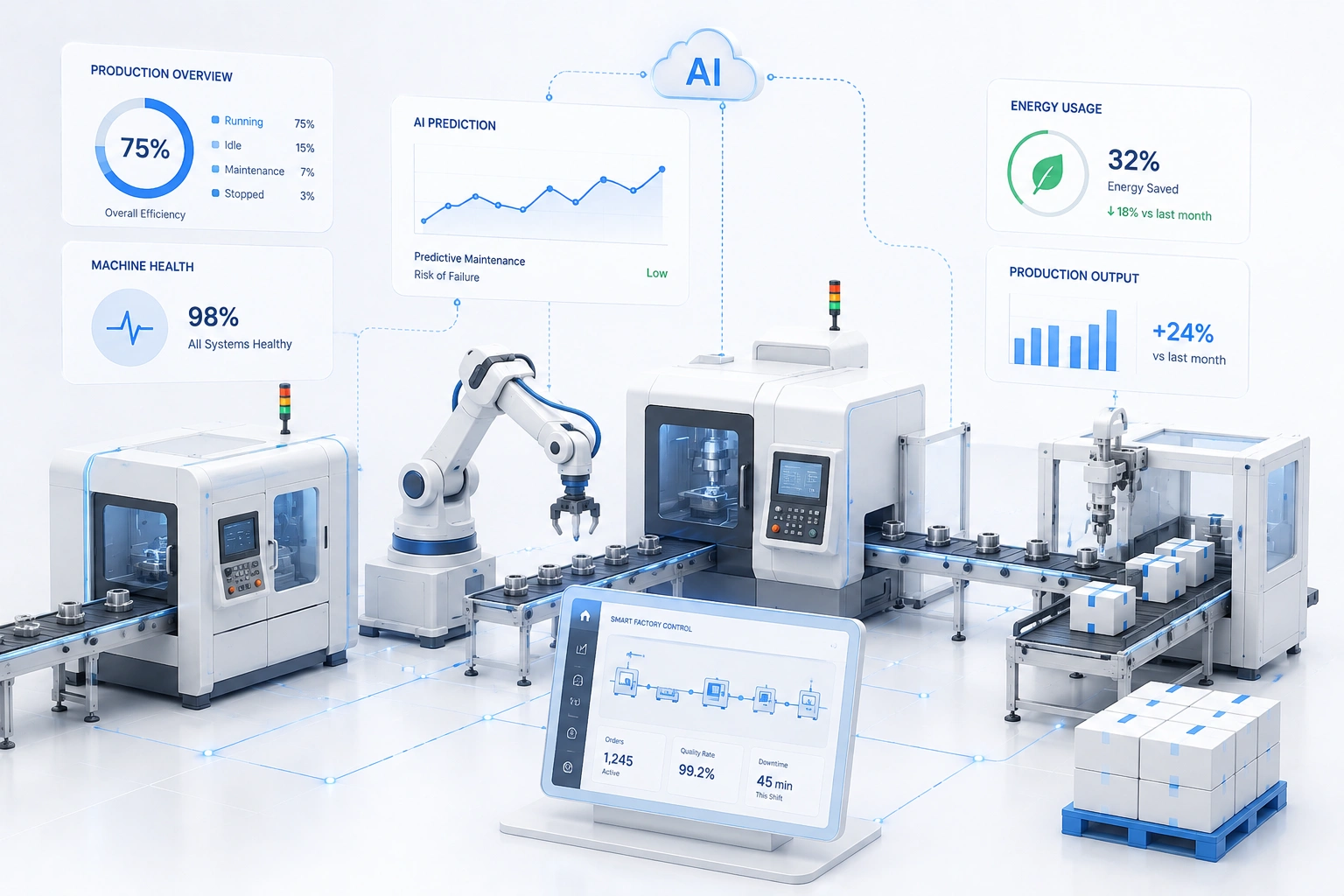
Predictive maintenance and anomaly detection.
Read details
Fraud, risk, and exception detection.
Read details

Demand forecasting and capacity planning.
Read details
Recommendation and personalization.
Read details
Document intelligence and structured extraction.
Read details

Computer vision inspection and classification.
Read details

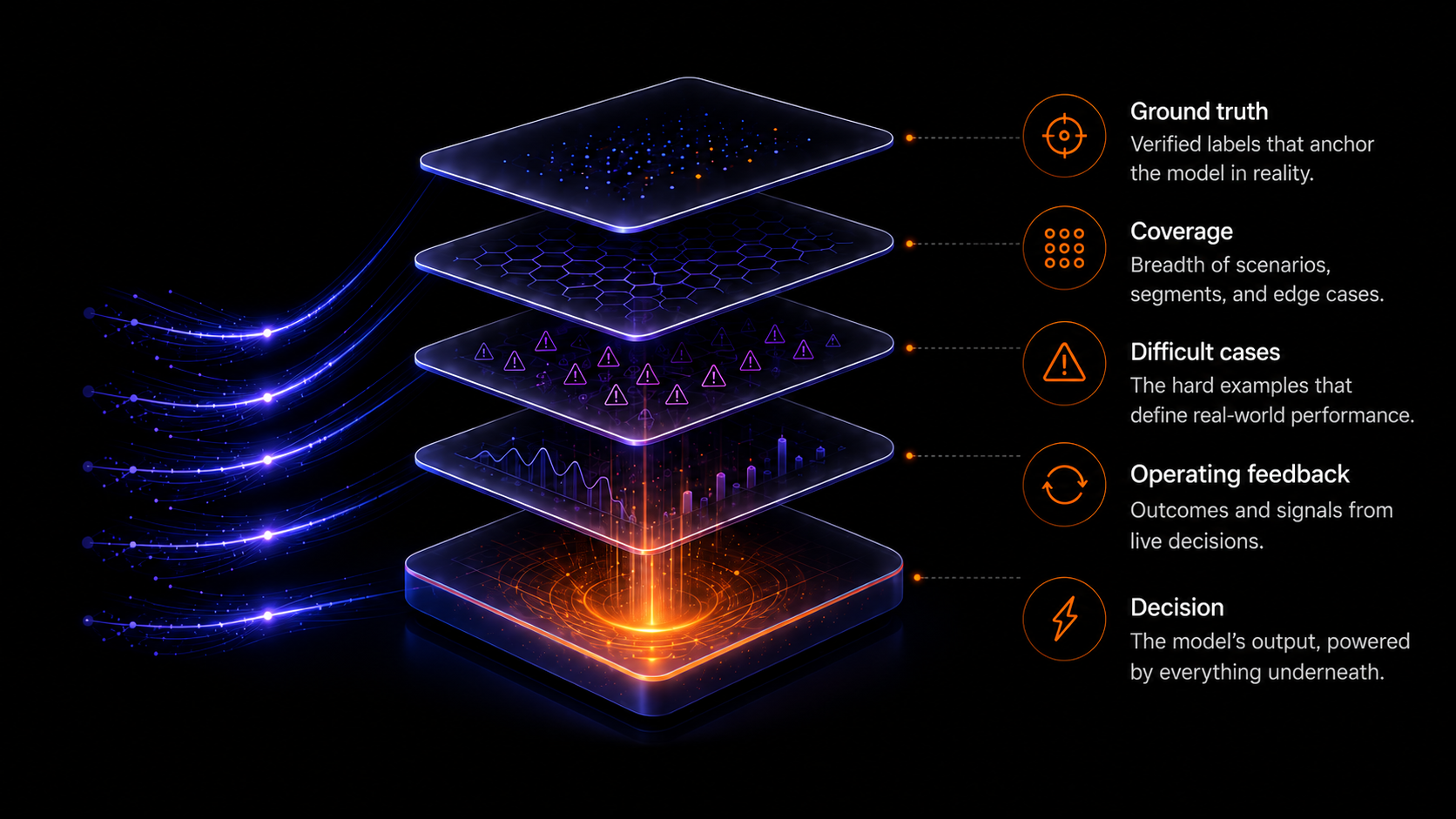
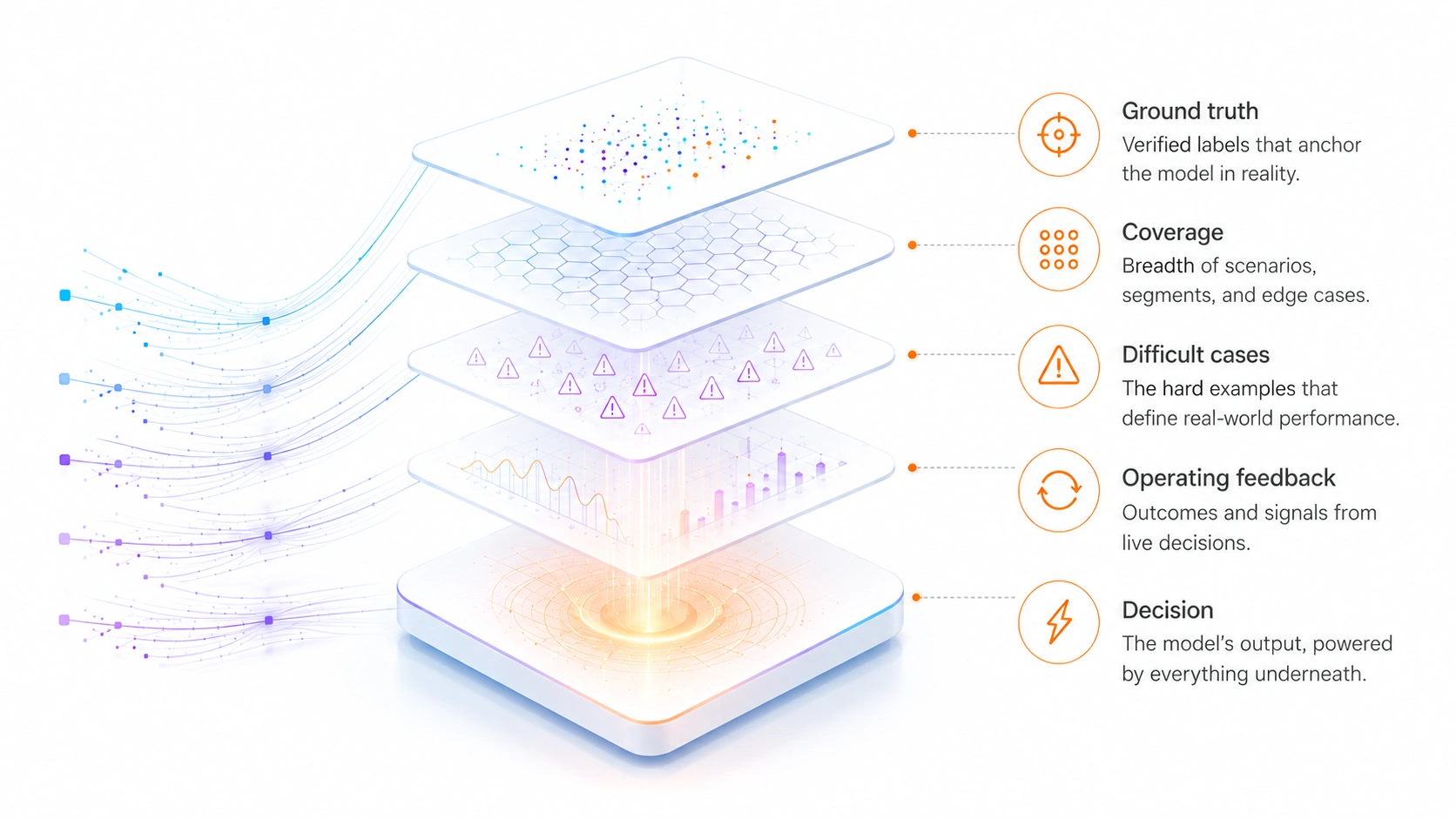
A model evidence stack, not a folder of disconnected labels.
Curated, versioned labels with clear guidelines, definitions, and lineage.
Visibility into classes, attributes, and slices — highlighting gaps and imbalance.
Locked evaluation sets and thresholds for consistent model decisions.
Error analysis, disagreement cases, and root-cause insights that drive improvement.
Prioritized actions and data needs to close gaps and sustain performance.
What an engagement can look like when the business problem is specific.